
Gold-plated flatware: plating, lifespan and care
Gold-plated flatware brings the warmth of gold to festive tables and the most sophisticated restaurants. Its lifespan depends on gold thickness and care.
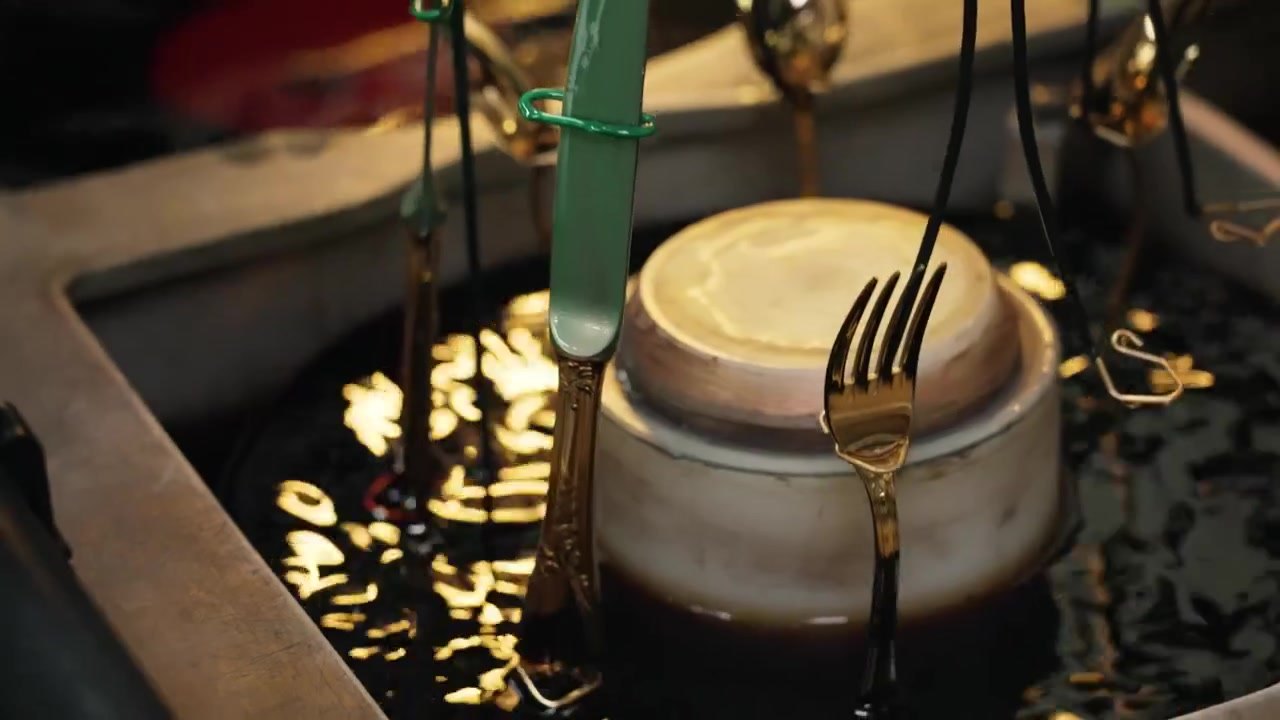
How flatware is gold plated
The stainless steel piece is polished, prepared, then immersed in a bath where gold is deposited by electrolysis. Thickness depends on deposition time and is controlled.
10 or 33 microns
We gold plate at 10 or 33 microns. A thick layer better withstands washing and rubbing: the choice of establishments with high volumes.
Polished or satin
Gold follows the steel's surface: a mirror polish gives bright gold, a satin finish a softer, more contemporary gold. A final hand polish perfects the shine.
Washing
Gentle washing, with a suitable detergent and no abrasives, preserves the plating. Quick drying avoids marks.
Wear areas
Fork tines and spoon bowls wear first. A thick layer delays this wear; depending on condition, a piece can be refurbished and replated.
Gold and porcelain
Gold-plated flatware pairs with gold-rimmed porcelain. The two are chosen together for a consistent tone.
Made in France
In Vire, Normandy, we stamp, polish, silver and gold plate our flatware in the same factory.
What gold thickness should we choose?
10 microns for careful use, 33 microns for intensive hotel use.
Does gold plating change colour?
Gold does not oxidise; it can wear over time where it rubs.
Information for a quote
Give the pattern, finish, gold thickness, use and quantities.